Navigating Local Regulations for Public Events
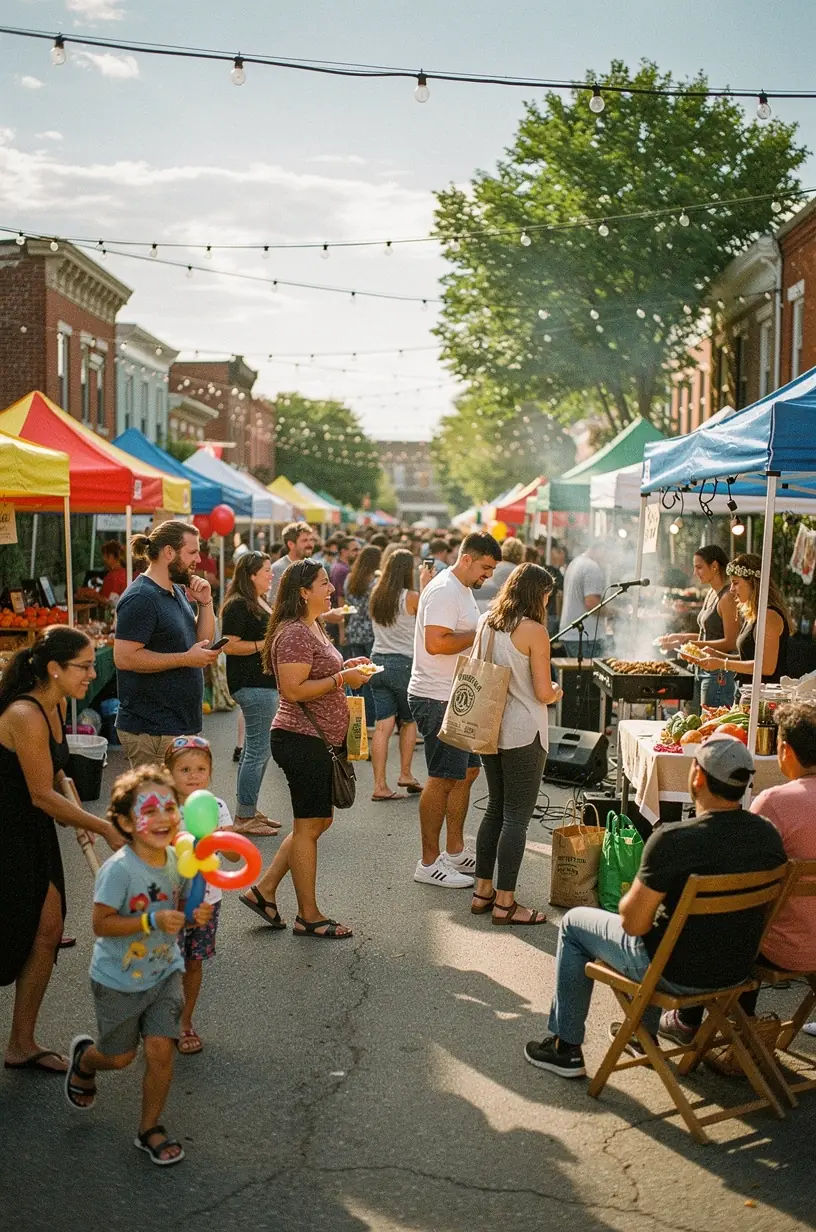
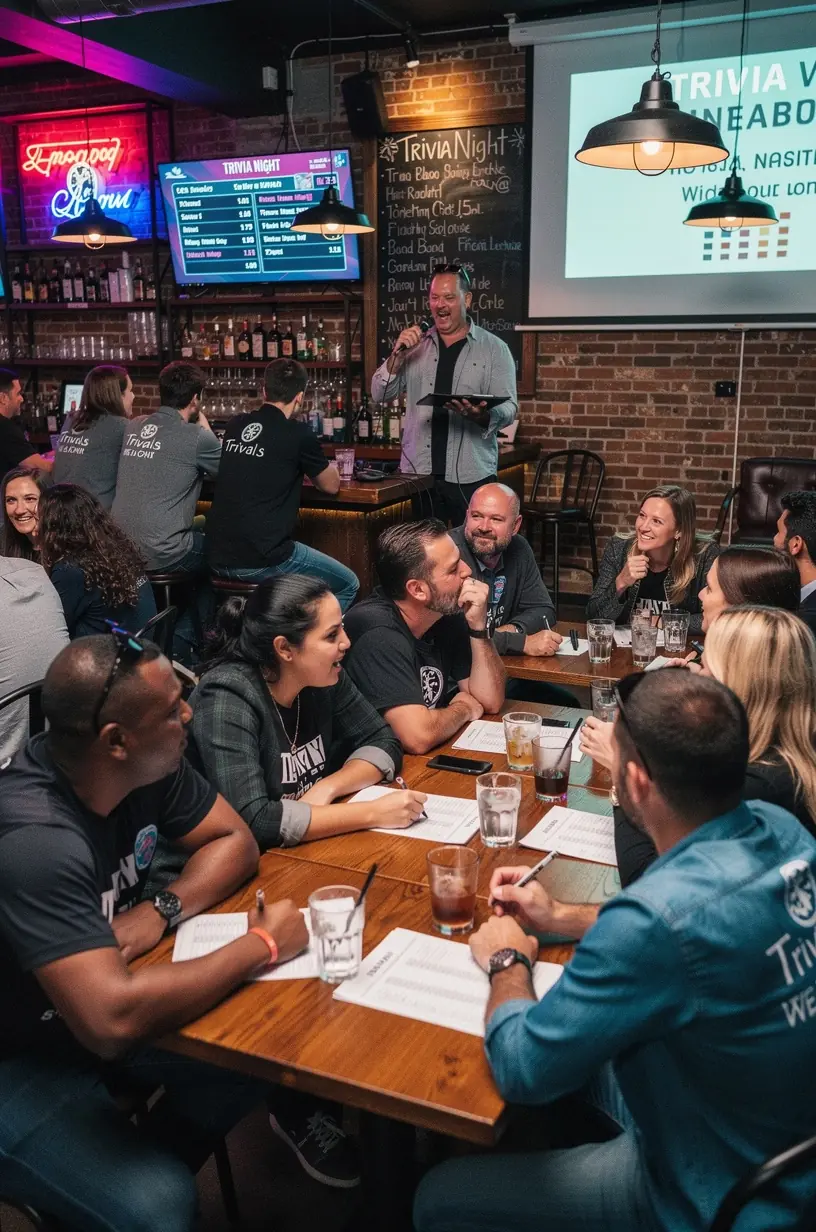
Organizing public events such as concerts, discussion clubs, and social game meetups can be an exciting endeavor. However, it's crucial to understand the local regulations that govern these activities to ensure compliance and avoid potential pitfalls. This guide will provide insights into navigating these regulations effectively.
Understanding Local Regulations
Local regulations for public events can vary significantly depending on the municipality or state involved. According to the National Association of Counties, many local governments have established guidelines that dictate everything from permits and noise ordinances to safety requirements. Understanding these regulations is essential for a successful event.
"Ignoring local regulations can lead to fines, event cancellations, and reputational damage. Educating yourself is the first step." - Event Management Expert
Permits and Licensing
In most cases, you will need to obtain permits and licenses to hold a public event. This typically involves:
- Event Permit: Most cities require a permit for gatherings in public spaces. This can take anywhere from a few days to several weeks to process, depending on the complexity of the event.
- Alcohol License: If you're planning to serve alcohol, securing a liquor license is often necessary. Each state has different requirements regarding the sale and consumption of alcohol at public events.
- Vendor Permits: If you plan to have food trucks or vendors, they may need their own permits. Research local health regulations to ensure compliance.
Safety and Accessibility Considerations
Another set of regulations to be aware of involves health and safety standards. According to the Centers for Disease Control and Prevention (CDC), events should have protocols in place to ensure the safety of all participants. This includes:
- Ensuring adequate security personnel are present.
- Implementing crowd control measures to keep participants safe.
- Providing accessibility options for individuals with disabilities, in accordance with the Americans with Disabilities Act (ADA).
Consulting Local Authorities
Before finalizing your event plans, it’s advisable to consult with local authorities. Experts recommend reaching out to your city’s event planning department or local law enforcement to discuss your plans. They can provide valuable advice on best practices and requirements specific to your area, which can often save time and reduce the likelihood of complications.
Conclusion
Organizing successful public events requires a thorough understanding of local regulations. While it may seem daunting, taking the time to research permits, safety measures, and local laws can enhance your event’s chances of success. Remember that engaging with local authorities can provide additional support and guidance, ensuring that your event runs smoothly and complies with all necessary regulations.